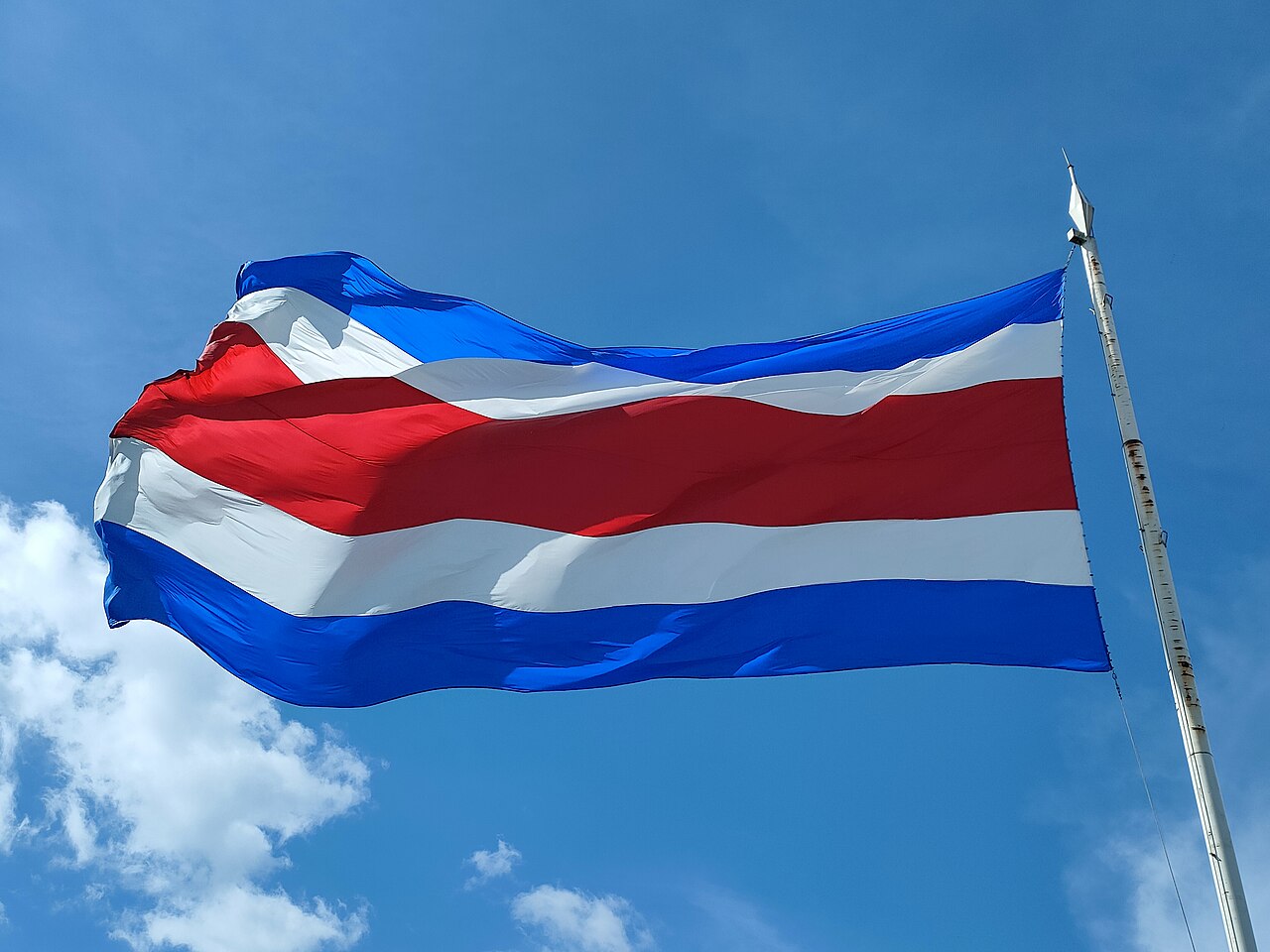
In Costa Rica, September 15 is Independence Day. It starts the night before. On September 14 at six in the evening the whole country sings the national anthem, and right afterward the children's paper lanterns light up the neighborhood streets, while a torch that came all the way from Guatemala races toward Cartago. Costa Ricans call September the mes de la patria, the month of the homeland.
1821: the news that arrived a month later
On September 15, 1821, in Guatemala City, an act was signed that separated from Spain the provinces of the Capitanía General de Guatemala, the colonial Captaincy General of Guatemala, Costa Rica included. And Costa Rica was the farthest away. The news reached Cartago, then the capital, only in mid-October, and on October 29 the cabildo, the town council, declared independence in its turn. In the same act the cabildo also pledged to respect the laws of the Mexican Empire, a sign of how uncertain the future still looked, in those months, for a region just emerging from three centuries of Spanish rule. Today Guatemala, El Salvador, Honduras, Nicaragua and Costa Rica celebrate on the same day, and the torch links all five countries.
The torch that crosses Guanacaste
Since 1964 a flame has crossed the isthmus, passed from hand to hand. The idea came from Costa Rica's Minister of Education, Ismael Vargas, at a meeting of the Central American cultural and educational council in San Salvador, and the project was entrusted to a physical education teacher, Alfredo Cruz Bolaños. It starts in Guatemala. The torch crosses El Salvador, Honduras and Nicaragua and enters Costa Rica at the Peñas Blancas border crossing, in the north of Guanacaste. From there thousands of students carry it in relay along the Interamericana, the Pan-American Highway: La Cruz, Liberia, Bagaces, then down toward the Central Valley and on to Cartago, where it arrives on the evening of the 14th after nearly 400 kilometers (about 250 miles) on the road. Some of the torchbearers are kids in wheelchairs. If you're around Liberia in those days, about 45 minutes from the villa, you can watch it go by. If you need to drive the same road instead, give yourself some extra time.
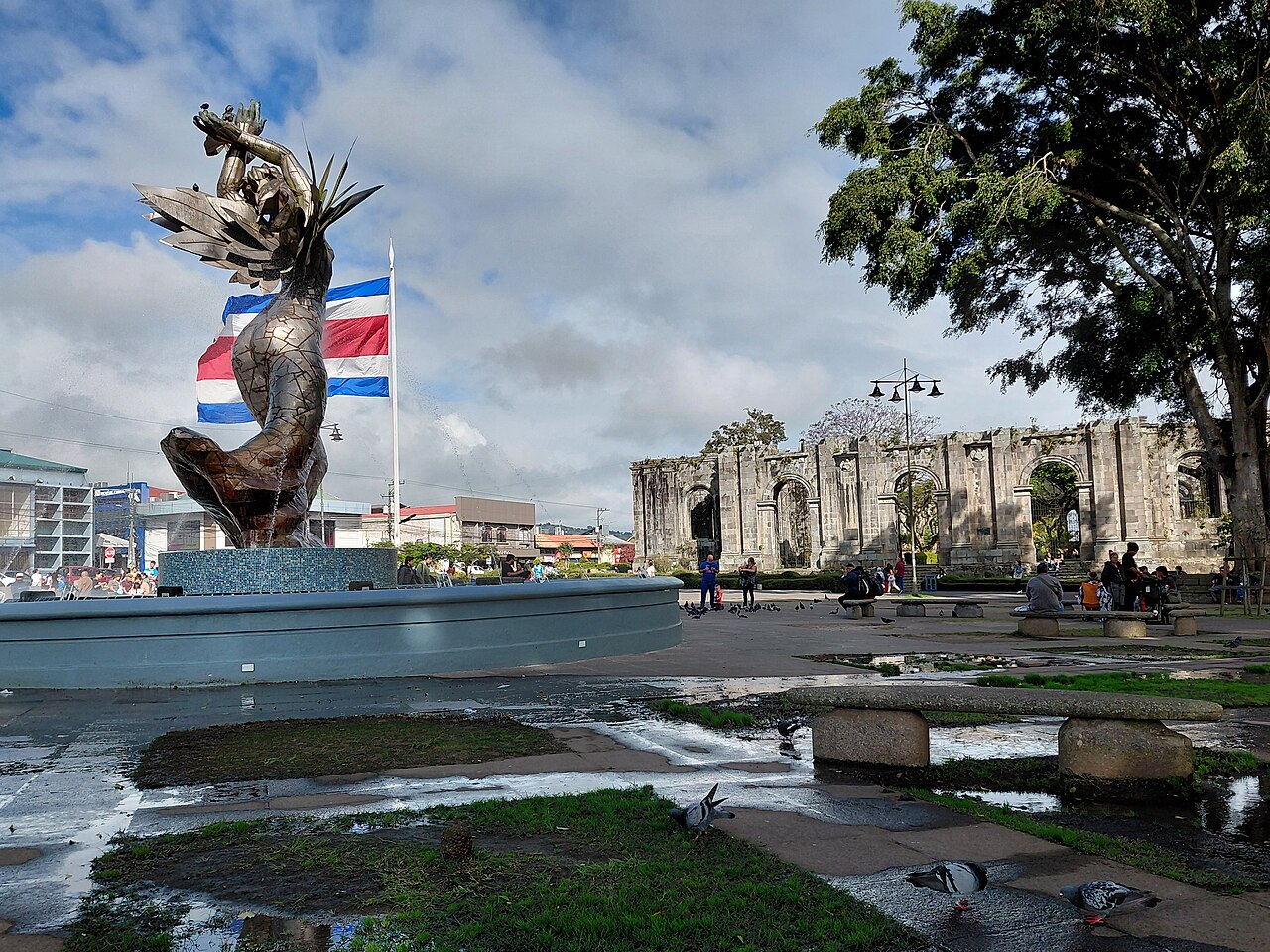
The evening of the 14th: anthem and faroles
At six in the evening on the 14th, after the anthem, the desfiles de faroles begin. They're lantern parades. Children and teenagers, with their parents and teachers, walk around the neighborhood carrying their own lit farol. The simplest ones are paper boxes lit from the inside. Others are small works of architecture, from houses and churches to carretas (the painted oxcarts that are one of the country's symbols), flags and famous buildings, and many are built at home by the whole family in the days before, out of cardboard and glue and a good deal of patience, partly because schools give prizes to the most original ones. In recent years you see more and more of them made from recycled materials.
It's a young tradition. It was started in 1953 by Víctor Manuel Ureña Arguedas, then provincial director of schools in San José, to teach children a sense of civic duty. It recalls a night in 1821 in Guatemala City when, as the story goes, María Dolores Bedoya went out into the streets with torches, together with Basilio Porras, to call on people to support independence. The children's lanterns are a reminder of those torches.
The 15th: parades, bands and flags
The 15th belongs to the students. In the cities and in many small towns, schools march in uniform with their bands, drums and flags, sometimes with folk dance groups and decorated floats, while families gather on the sidewalks to watch their kids and grandkids go by. No soldiers and no military vehicles: Costa Rica abolished its army in 1948, and at the national holiday parades the place of honor goes to the schools. In Guanacaste, September is the heart of the rainy season, so keep a rain jacket handy, the evening of the faroles included.
September in Guanacaste, between lanterns and parades
The White House Costa Rica sits in the hills of Ocotal, about 45 minutes from Liberia. After the parades, the pool in the garden and the hot tub on the rooftop terrace are waiting; for a holiday dinner without going out, a private chef who cooks Italian is available on request. Christian, your host, speaks English and Spanish and can arrange tours and transfers.