July 25 is a national holiday all over Costa Rica, but you feel it more in Guanacaste: schools prepare civic and cultural events, and in Nicoya the celebrations go on for several days. What people remember is a choice. In 1824 the Partido de Nicoya, the district that then included Nicoya, Santa Cruz and the small town of Guanacaste (today's Liberia), decided to leave Nicaragua's orbit and join Costa Rica, and today that date is the holiday of the whole region.
What happened in 1824
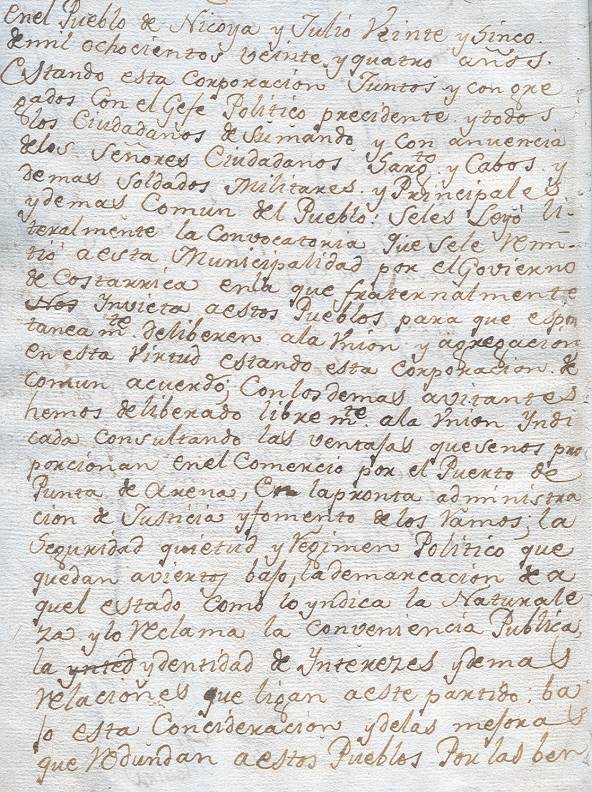
After independence from Spain in 1821, the borders of Central America were still to be drawn. The Partido de Nicoya answered to Nicaragua, which at the time was being torn apart by civil war. In March 1824 the Costa Rican government invited Nicoya to join Costa Rica, and on July 4 the cabildo, the town council, said no. Then came the yes. On July 25 a cabildo abierto, an assembly open to the town's citizens, voted for the union. Among the reasons were the trade advantages of going through the port of Puntarenas, which the act mentions by name, and the fear that the Nicaraguan war would spread to the towns of the Partido.
Santa Cruz voted the same way three days later. The town of Guanacaste, which had close ties to the Nicaraguan city of Rivas, held back at first, and the Congress of the Federal Republic of Central America recognized the union of the whole Partido, Guanacaste included, only at the end of 1825. Ten years later it was that very town, by then more important than Nicoya, that gave its name to the whole territory. The word “anexión” (annexation) never appears in the act. It speaks of “Unión.” And the motto tied to that decision has stayed: “De la patria por nuestra voluntad,” part of the homeland by our own will.
How it's celebrated today
In the days around the 25th, Nicoya usually puts on a festival with concerts, folk dancing, Guanacaste cooking, topes and bullfights. A tope is a parade on horseback, the world of the sabaneros, Guanacaste's cowboys. In bullfights a la tica, the Costa Rican way, the bull is not killed, because that's against the law in Costa Rica: the whole test belongs to the montador, the rider who climbs onto the bull's back and tries to stay on as long as he can while the animal bucks and kicks. It's not for everyone. If it's not your thing, there's plenty more going on around it.
The music is the marimba's, Costa Rica's national instrument since 1996 and Guanacaste's favorite for fiestas and folk dances. People dance the punto guanacasteco, considered the national dance, and at some point the music stops: someone shouts “¡Bomba!” and recites a bomba, a short rhyming verse meant to make people laugh, and then the dancing starts up again. And there's Guanacaste's party cry, “¡Güipipía!” At the table, corn is king. There are tortillas, tamales and rosquillas, crunchy little rings of corn and cheese, and to drink there's chicha, made from fermented corn, and pinol, made from toasted, ground corn.
Where to go and how to plan
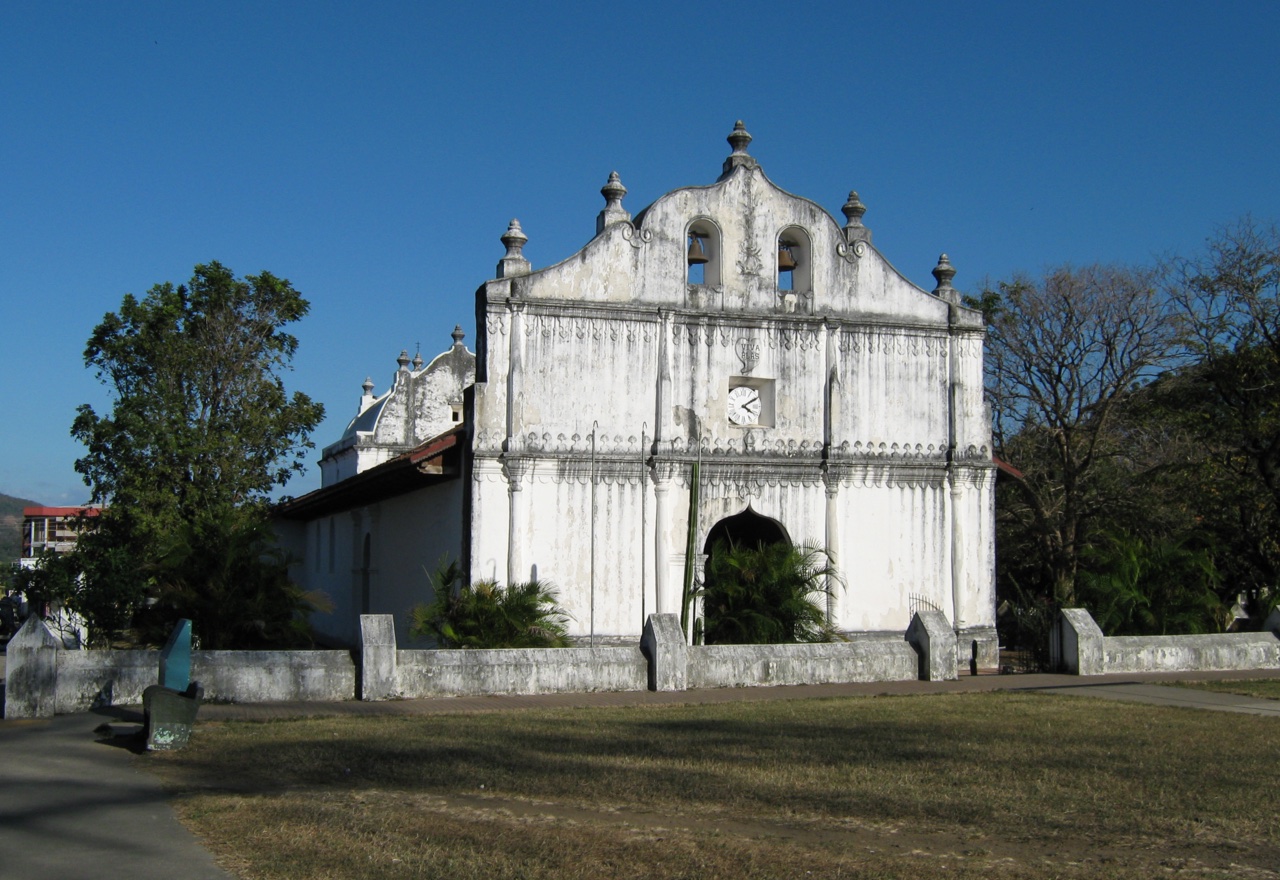
From The White House, in the hills of Ocotal, Liberia is about 45 minutes away and Nicoya about an hour and a half by road: according to the Instituto Costarricense de Turismo, these are the two towns where the holiday is felt most. In Nicoya, where the act was signed, the events usually center on the central park and the colonial church of San Blas, white and low, with its bells set in the gable. July falls in the green season, but between July and August the rains often ease off for a few weeks, the veranillo, or “little summer.” Bring a light umbrella anyway, plus a hat and a bottle of water, because between one downpour and the next the sun is fierce. At the topes, stay behind the barriers. Horses can spook.
Guanacaste celebrating, a short drive away
The White House Costa Rica sits in the hills of Ocotal, about 45 minutes from Liberia, with free private parking. If you'd rather not drive back after the festivities, a driver is available on request. Christian, your host, speaks English, Spanish and Italian, shares his tips and can arrange tours and transfers.