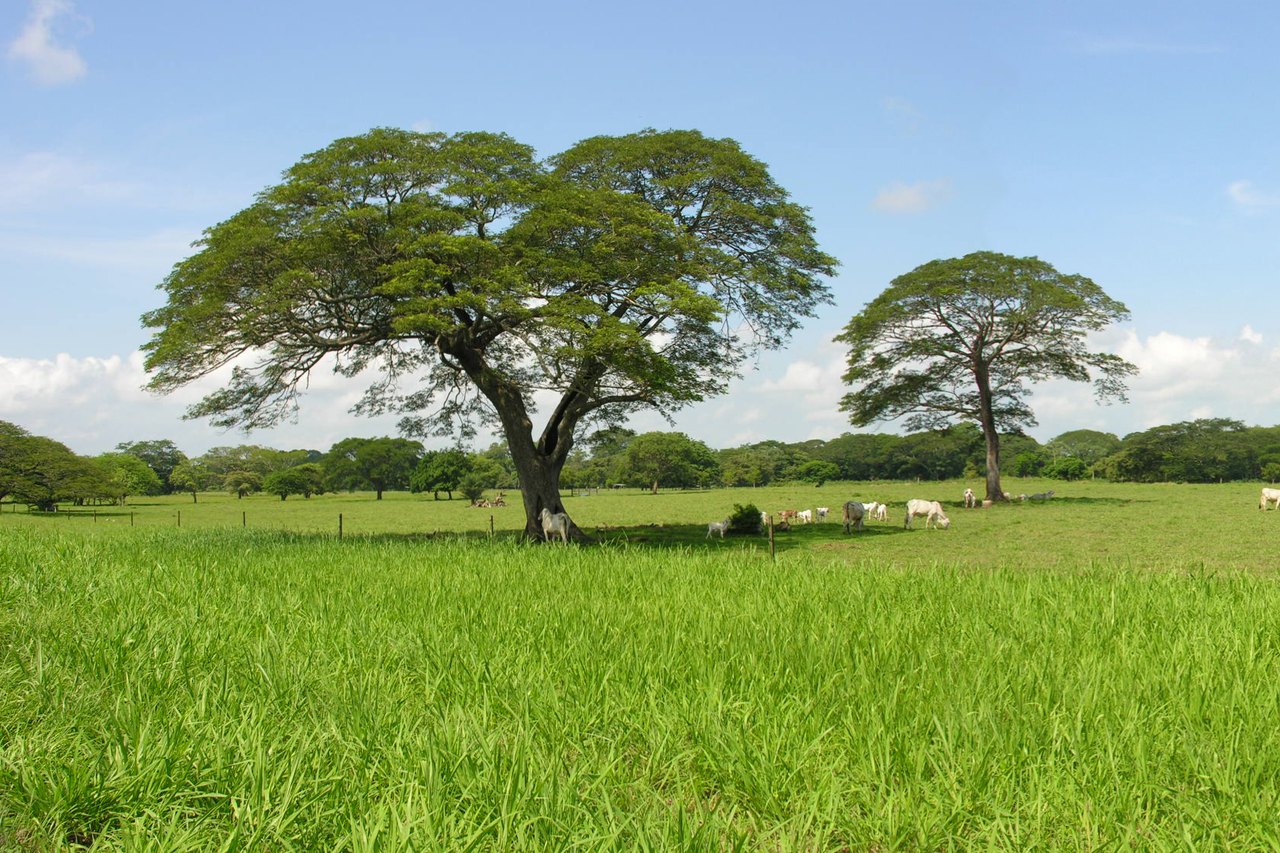
At the end of April, Guanacaste is yellow and dusty. Then, usually in May, the first storms arrive, and within a few weeks the same hills turn a green so intense it looks edited: the pastures fill with grass, the dry forest leafs out again and the streams start running. This is the rainy season. In the travel world it goes by the green season, and the name fits.
What a rainy day is like
Mornings are usually clear and already warm, perfect for the beach or a day trip; around noon the clouds build over the hills, and in the afternoon or evening the downpour comes, often with thunder and lightning, before the air turns cooler. In Liberia, according to averages from the Instituto Meteorológico Nacional, it rains on about one day in three in July, while in September and October rainy days outnumber dry ones. The practical rule follows from that. Go out early, keep your afternoons free and, when a storm rolls in, get out of the water. Pack a light rain jacket and shoes that can get wet.
Why it's worth coming
The first reason is right in front of you: the scenery. The second you'll feel once you're here: outside high season, beaches, roads and restaurants are calmer and it's easier to find a spot. Then there's nature on the move. On the beach at Ostional, on the Nicoya Peninsula, olive ridley sea turtles come ashore by the tens of thousands to lay their eggs in the mass nestings known as arribadas, which are biggest between September and November, and from October leatherback turtles begin nesting at Playa Grande, in Las Baulas National Marine Park. The waterfalls carry more water, including those in Rincón de la Vieja National Park, about an hour and a half from the villa, and the fruit changes too: from July to November you'll find mamón chino, the rambutans with their spiky red skin. Finally, on July 25 all of Guanacaste celebrates the Annexation of the Partido de Nicoya to Costa Rica, which took place in 1824.
July, the midseason break
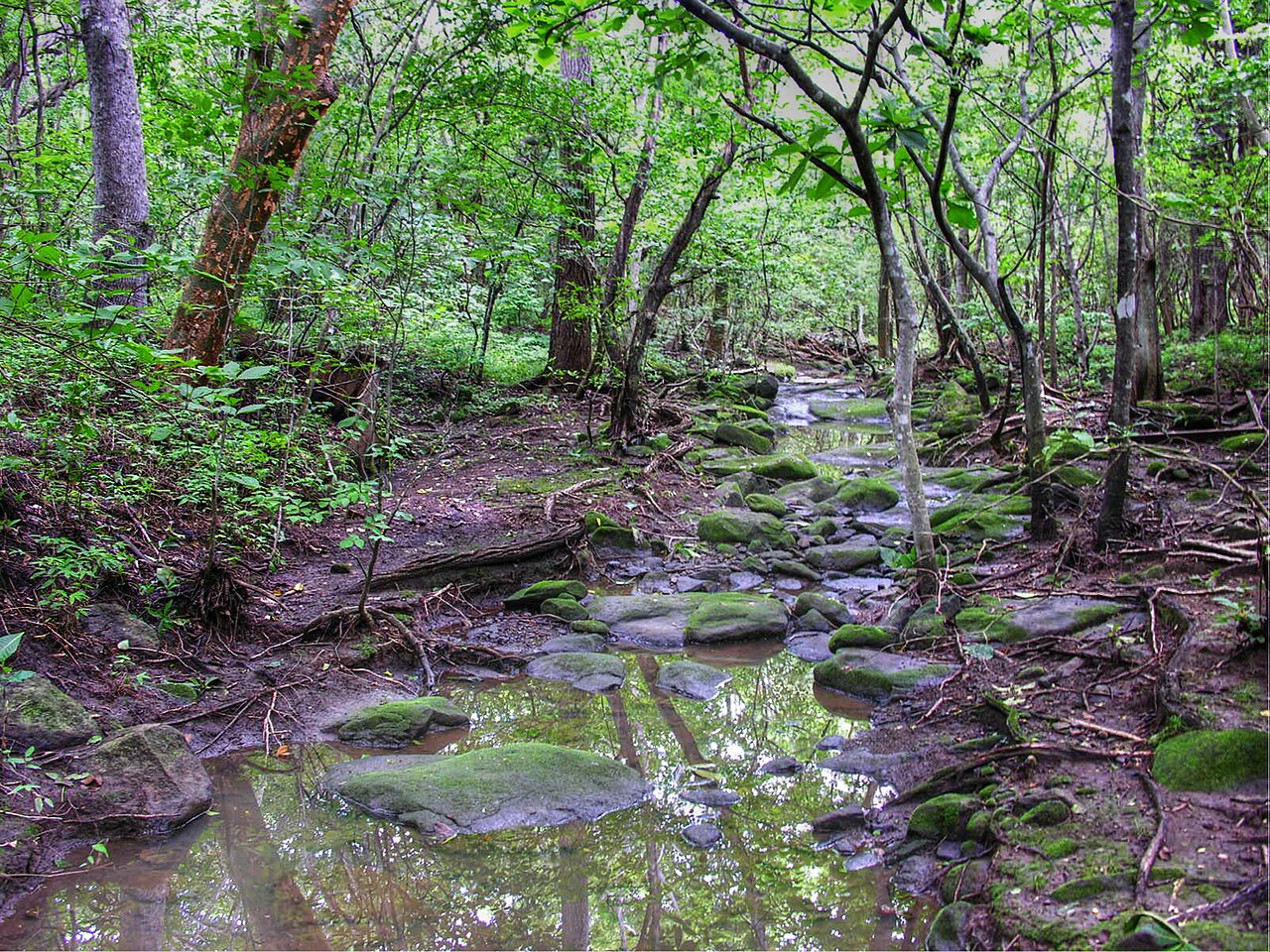
If you want the green with less rain, look at July. Between late June and August, Guanacaste usually gets two drier spells: the veranillo de San Juan, the “little summer of Saint John,” a few days around June 24, and the canícula. That drier stretch generally falls between July and the first half of August, and it's more noticeable in this province than in the rest of the country. It isn't guaranteed. Some years the Instituto Meteorológico Nacional forecasts it to last longer than usual; other years it barely shows up. July is also when Costa Rican schools take a two-week break, and it's summer vacation in North America and Europe, so book early for this month as well.
September and October: what to know
These are the rainiest months, and sometimes the rain doesn't stop at the afternoon storm. When a hurricane passes through the Caribbean, Costa Rica is rarely hit directly, but it can feel the “indirect effects”: days of steady rain right on the Pacific side of the country, Guanacaste included. Dirt roads turn to mud, rivers rise, and some excursions get canceled. Nothing dramatic, if you're flexible. Keep an eye on alerts from the Instituto Meteorológico Nacional and from the CNE, Costa Rica's national emergency commission, rent a high-clearance vehicle if you plan to leave the pavement, and leave a few free days in your plans.
On rainy afternoons, the house matters. The White House Costa Rica has three bedrooms, two offices with Wi-Fi for anyone who needs to work on vacation and large windows; when the sun comes back, the panoramic rooftop terrace looks out over the hills and the valley, and the hot tub is open from 7 am to 10 pm.
Guanacaste's green season, seen from the rooftop
The White House Costa Rica is in the hills of Ocotal, about 1.5 km (1 mile) from Playa Ocotal and 5 to 10 minutes by car from Playas del Coco: room for up to 6 guests, a pool in the garden and a rooftop terrace with a hot tub. Ask us about available dates on WhatsApp, where rates are up to 10% lower than on booking platforms.