Going by the averages of Costa Rica's national weather institute, the Instituto Meteorológico Nacional, January, February and March pass in Liberia without a single day of real rain. Guanacaste is the driest region in Costa Rica. It has two seasons. Costa Ricans call the dry one verano, “summer,” and the rainy one invierno, “winter,” even though it stays hot here all year. Choosing when to come is really about deciding what you care about most: near-certain sunshine, or green hills and quiet.
The dry season, December to April
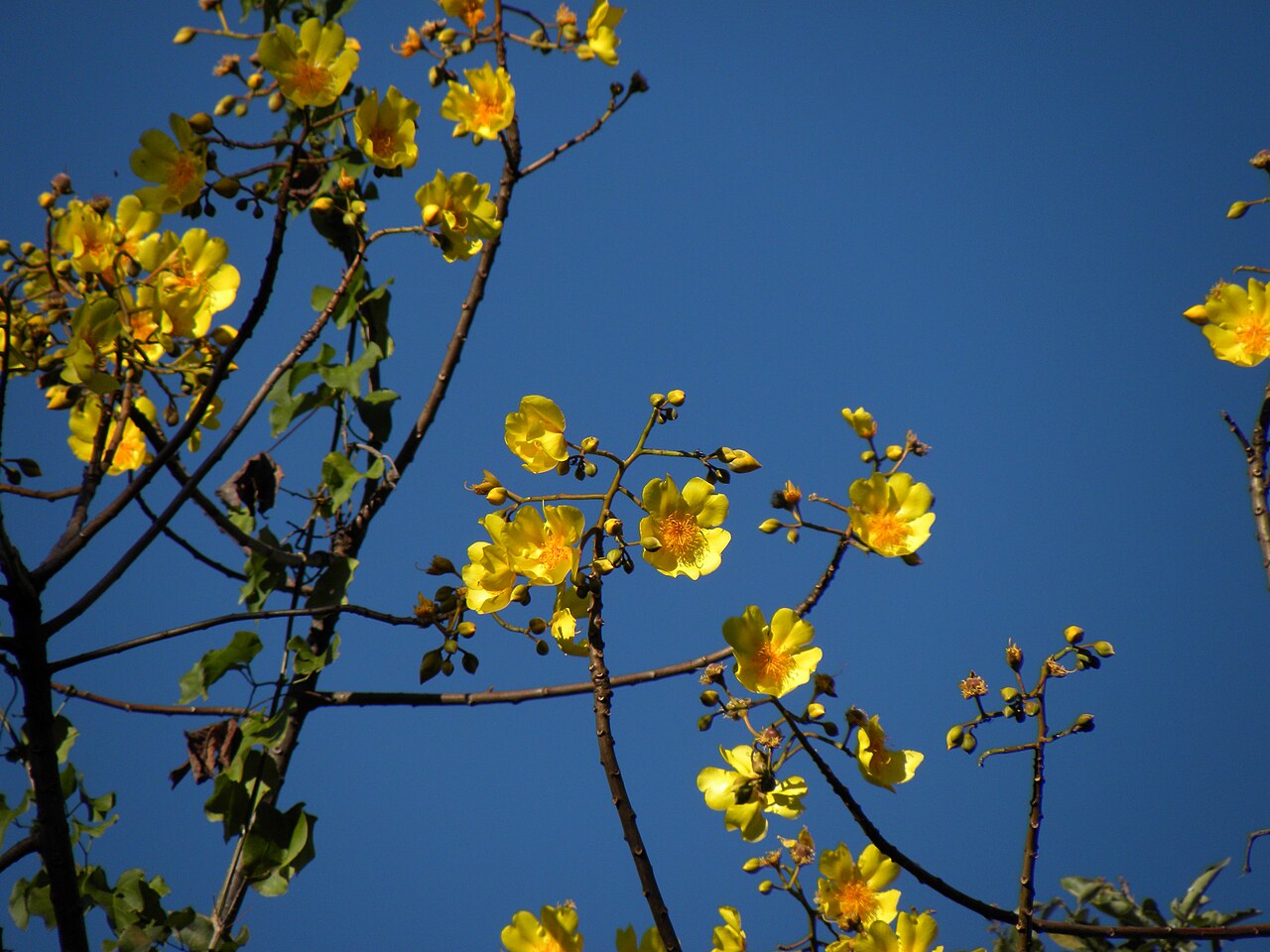
In December the sky opens up, and it stays blue for months. The hills turn yellow, dust rises off the dirt roads, and in the tropical dry forest typical of Guanacaste many trees drop their leaves to save water, while others choose exactly these months to bloom, like the ones in the photo. Between December and March, strong northeast trade winds often blow (the Papagayo wind, named after the gulf), especially in the north of the province: the days are clear and breezy, and the water in the gulf can be cooler than you'd expect, because the wind draws deep water up to the surface. March and April are the hottest months of the year.
It's also high season. Between Christmas and New Year's, and during Holy Week (Semana Santa) in March or April, foreign visitors and Costa Rican families on vacation all arrive at once, so to get the house and the dates you want, book several months ahead.
The green season, May to November
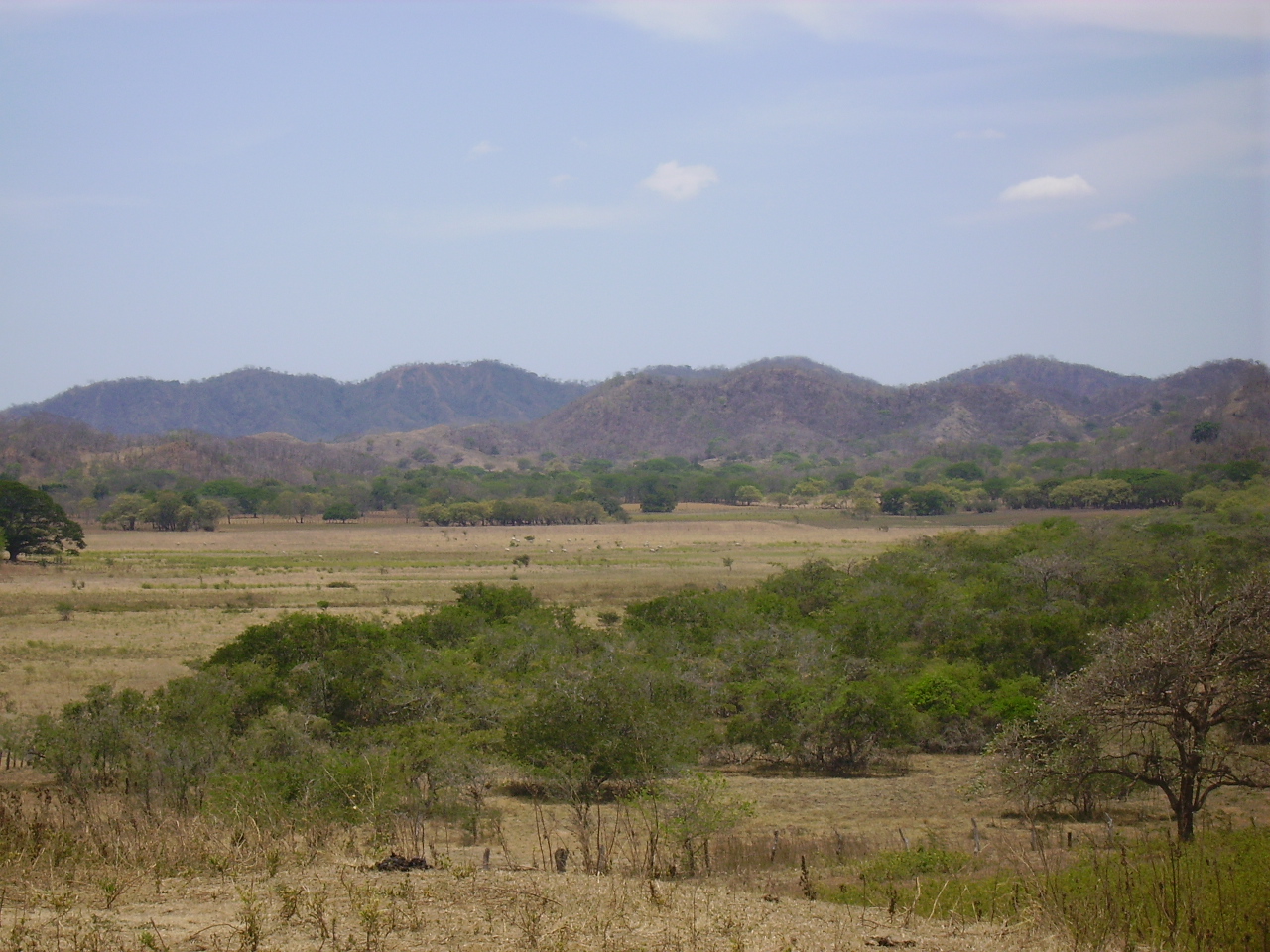
The rains usually start in May, and within a few weeks the landscape changes color. A typical day begins with a clear, hot morning; around noon, clouds pile up over the hills, and in the afternoon or evening a downpour arrives, often with thunder and lightning. It doesn't rain every day. Between late June and August there are usually two drier breaks: the veranillo de San Juan, the “little summer of Saint John,” which lasts a few days around June 24, and the canícula, between July and mid-August, which is felt more strongly in Guanacaste than in the rest of the country. In Liberia, July is noticeably drier than June and August.
September and October are the wettest months of the year, when the afternoon storm can turn into a full day of rain. November is a bridge between the two seasons. The rain eases, the green stays, and toward the end of the month the dry season returns.
How to choose your dates
If you want sun you can count on, January, February and March are the most reliable months, as long as you book early and don't mind the wind. December has the holiday spirit and hills still green from the rains, but the weeks between Christmas and New Year's are some of the most requested of the year. April is hot, sometimes muggy. July brings the midseason break, two weeks of Costa Rican school vacation and July 25, the Annexation of the Partido de Nicoya, which is also Guanacaste's own day; September and October suit travelers who don't mind a few storms and want quieter beaches and roads. If we had to pick just one month, we'd say November: the rain is tapering off and everything is still green.
Daylight, on the other hand, barely changes with the seasons. Ten degrees north of the equator, days last about twelve hours all year round: the sun sets around 5:30 pm in December and a little after 6 pm in June, and in any month it pays to start early. If you're coming for nature, you can also plan around the animals. Between September and November, olive ridley sea turtles come ashore by the tens of thousands to lay their eggs on the beach at Ostional.
Whichever month you choose, at The White House Costa Rica the day falls into place around the sky: the beach and outings in the morning, then the pool, the hammock and the sun loungers in the garden when it's sunny, or the house with its large windows when a storm rolls in.
Picked your season? Send us your dates
The White House Costa Rica sleeps up to 6 in the hills of Ocotal, about 30 minutes by car from Liberia International Airport. Book directly on WhatsApp for rates up to 10% lower than on booking platforms, and Christian, the host, will help you work out what to do while you're here.