Packing for Guanacaste doesn't take long, and almost everyone overdoes it. It's warm all year, you need only a handful of light clothes, and a lot of what goes in on instinct, like the extra sweater, the third pair of shoes or the dressy jacket, stays in the closet until you fly home. What people forget are the small things for the side pocket: insect repellent, a light rain jacket for the afternoon storms and, if you're not coming from North America, a plug adapter. Pack fewer pieces, and choose them well.
The climate: dry season and green season
On Costa Rica's Pacific side, where Ocotal is, the average temperature is around 28°C (about 82°F). There are two seasons. The dry season runs from December to April: the sky is almost always clear, it hardly rains and the hills turn the color of straw. The rainy season runs from May to November. The tourism industry has renamed it the green season, while Costa Ricans call it invierno, winter, even though it's as hot as summer; mornings are often sunny, and the storm rolls in during the afternoon. So when you pack, sun protection comes first, and from May on you'll want something for the rain as well.
Clothes, shoes, sun and mosquitoes
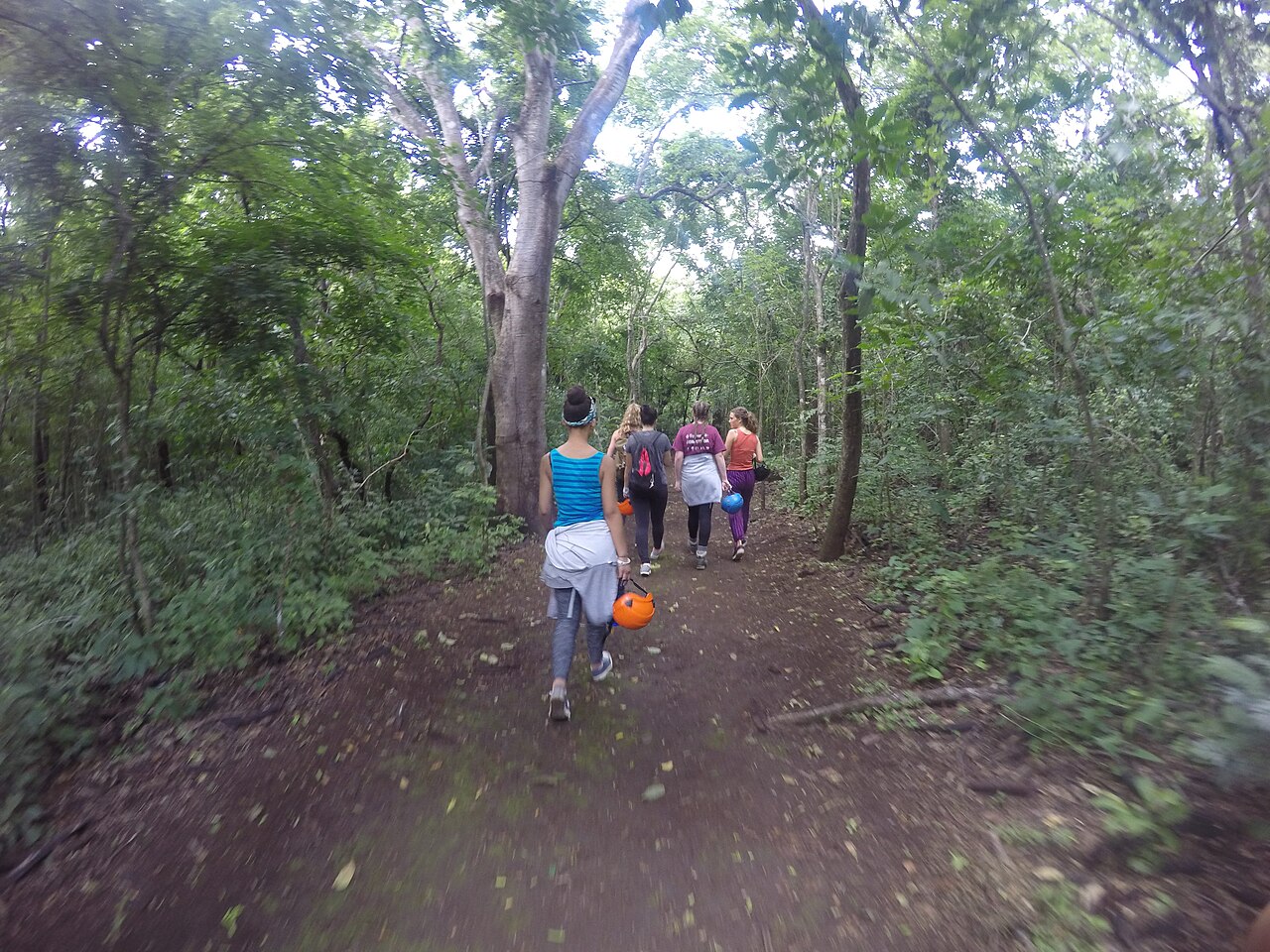
Bring light, breathable clothes, ideally cotton or linen, and something with long sleeves for the evening. You can't have too many swimsuits: the villa has a pool in the garden and a hot tub on the rooftop terrace, and a dry spare for the afternoon always comes in handy. Three pairs of shoes are enough. Sandals or flip-flops for the beach, closed shoes with a good grip for the trails, for example in Rincón de la Vieja National Park, and a comfortable pair for evenings out in Playas del Coco. From May to November, add a light rain jacket, the kind that folds into its own pocket.
About ten degrees north of the equator, the sun burns even when the sky is hazy. A hat, sunglasses and a high-SPF sunscreen are the bare minimum, and the sunscreen goes back on after every swim; at the beach, the middle of the day is best spent in the shade. Then there are the mosquitoes. Bring a good repellent from home. Government travel health advice for Costa Rica recommends repellent on exposed skin, long sleeves and long pants to prevent mosquito-borne diseases such as dengue, and the risk tends to rise in the rainy season. One more reason to pack that long-sleeved linen shirt.
Outlets, money and time zone
The outlets are types A and B, at 120 volts and 60 hertz, the same system used in the United States and Canada. Travelers from the UK and Europe will need an adapter and should check their chargers: phone and laptop chargers usually say 100-240 volts on the label and work fine, while hair dryers and straighteners built only for 230 volts can work badly or get damaged, so leave them at home.
The currency is the Costa Rican colón (CRC), but US dollars are widely accepted and cards are used a lot. Coming from Canada, bring US dollars or rely on your cards: Canada's official travel advice notes that Canadian dollars are very hard to exchange in Costa Rica. From Europe, too, dollars or international cards work out better than changing euros at local banks. Keep a little cash in colones for tips, food stands and small shops, where cards don't always reach.
Costa Rica keeps Central Standard Time (UTC-6) all year, with no daylight saving time. In winter it matches Chicago; from March to early November it's an hour behind Chicago and two behind New York. It's six hours behind the UK (seven in the British summer) and seven behind most of continental Europe (eight in summer). Flying in from Europe, expect to wake up very early for the first few days. That's no bad thing: by six it's already light, and the cool early hours are the best for the beach and for spotting animals in the forest.
Documents, health and insurance
No guesswork here. Entry documents, visas, customs rules and vaccinations change, so check them at the source: your government's official travel advice for Costa Rica and the Costa Rican authorities, starting with the immigration service, the Dirección General de Migración y Extranjería. For recommended vaccinations, talk to your doctor or a travel clinic. Official advice also strongly recommends travel insurance that covers medical expenses, because visitors pay for their care, and it can be expensive. Pack a copy of your passport, too, and enough of any regular medication for your whole stay.
What you can leave at home
At the villa, linens are included, the kitchen is fully equipped and there's air conditioning as well as fans; if you need to work, there are two offices with Wi-Fi, so just bring your laptop. Anything you forget, you'll find at the supermarkets and shops of Playas del Coco, 5 to 10 minutes away by car. Save the space for the trip home, when you'll want to fit in a bag of coffee and maybe a Chorotega pottery vase. Wrap it well.
Pack light: the linens are already at the villa
At the villa, linens are included, the kitchen is fully equipped and there's air conditioning, a pool in the garden and a hot tub on the rooftop terrace. If you're working while you travel, there are two offices with Wi-Fi, and Christian is happy to share tips on beaches, restaurants and excursions.