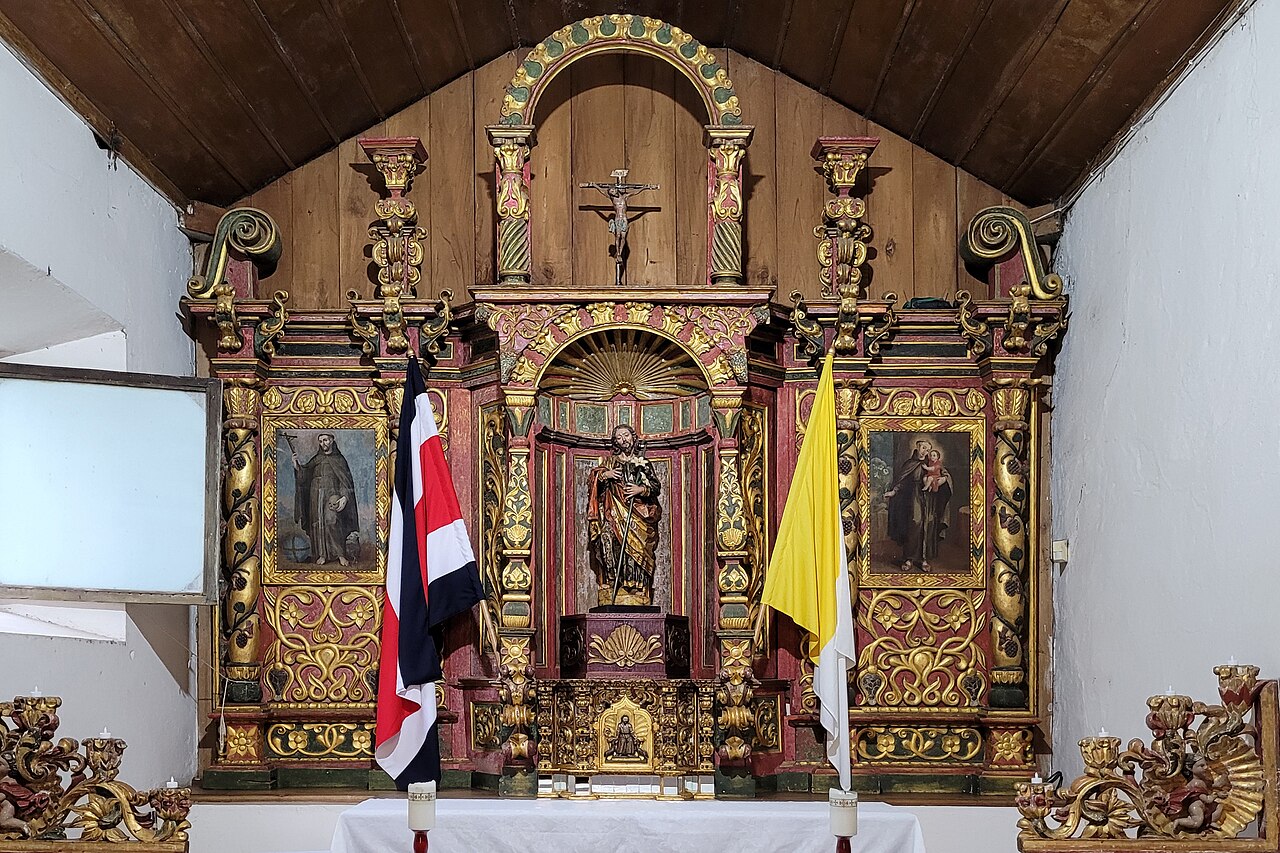
For Costa Ricans, Semana Santa, Holy Week, is two things at once. Faith and the beach. It's the most religious week of the year, with processions from Palm Sunday to Easter, and it's also the big break of the dry season, when thousands of families lock up the house and head for the coast or the mountains. Guanacaste, with its beaches, is one of their favorite destinations. If you're here that week, you'll see both sides.
A week that moves every year
The date follows Easter, so it shifts: Semana Santa falls somewhere between mid-March and late April, in the heart of the dry season. Holy Thursday and Good Friday are public holidays nationwide. If you're on vacation, this is what matters most: on those two days many offices close, and shops, banks and other services may change their hours, so it's best to do the big grocery run and get cash by Wednesday. Selling alcohol on Holy Thursday and Good Friday used to be banned everywhere, under the ley seca, the “dry law.” Since 2012 each municipality decides for itself, and in recent years few have applied it, sometimes only along the procession routes. Ask locally.
Palms, processions and the color purple
According to historian Salomé Zumbado, the first Semana Santa celebrated in Costa Rica dates back to 1542, in the first decades of the Spanish presence, about twenty years before the founding of Cartago, which would become the country's first capital. The celebrations begin on Palm Sunday and end on Easter Sunday. In between come the Stations of the Cross, the washing of the feet on Holy Thursday, the Good Friday processions and the procession of the Resucitado, the risen Christ. In many towns the streets are decorated with palms, cane, and carpets of flowers and colored sawdust, and crosses are draped in purple cloth, the color of grief and penance. On Friday, many families also leave red meat off the table. They eat fish.
Guanacaste once had a ritual all its own. In Ortega, in the canton of Santa Cruz, for at least two centuries a group of men waded into the river on Good Friday to catch a crocodile alive; it was shown off in the town square and released the next day. It doesn't happen anymore. After a captured animal died, SINAC, Costa Rica's National System of Conservation Areas, stopped issuing permits, and the lagarteada is now banned, although some people in town would like to see it recognized as cultural heritage.
At the table: chiverre, rice pudding and fish
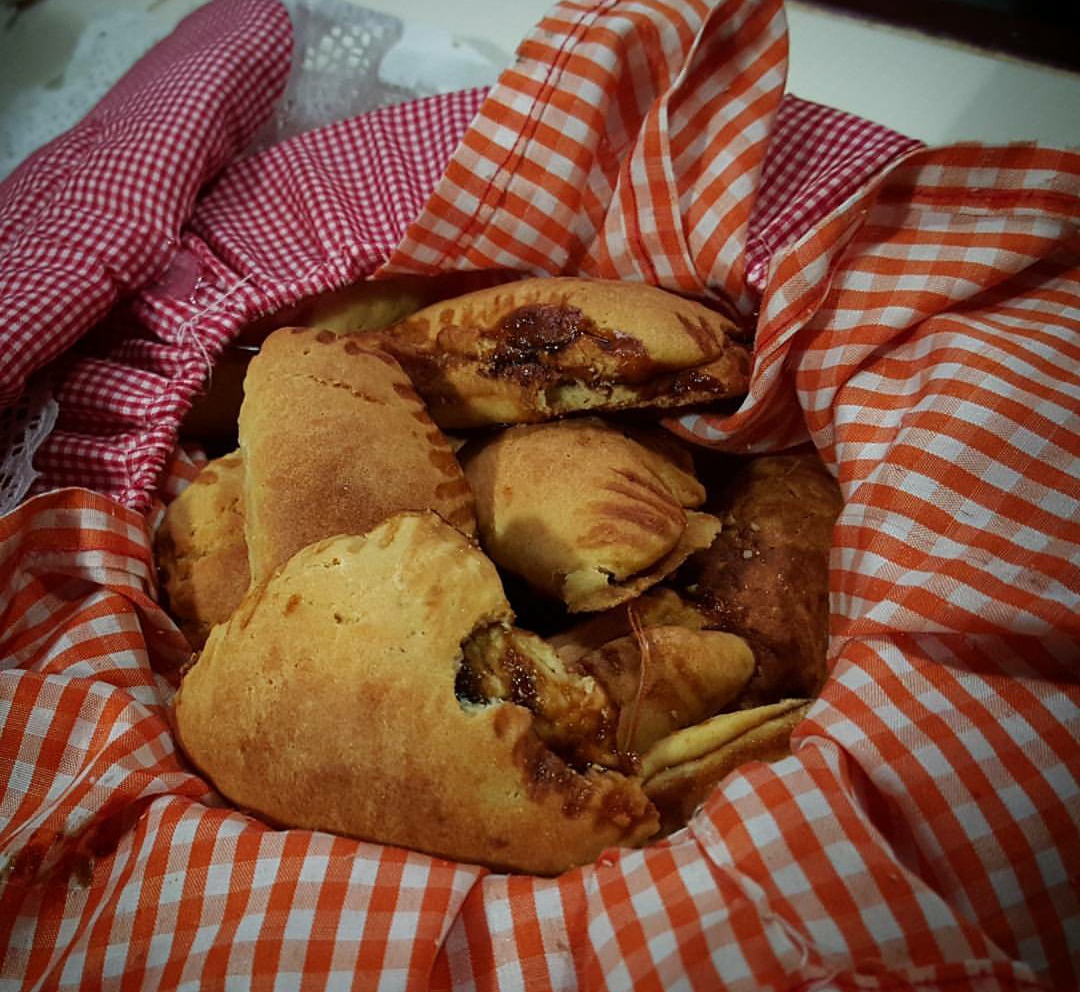
The sweet of the week is miel de chiverre. Chiverre is a large squash whose white flesh pulls apart into strands: it's cooked with tapa de dulce, unrefined cane sugar sold in solid blocks, plus cinnamon and cloves, until the strands take on the color of the sugar. People eat it as it is, or inside empanadas and sweet filled bread. Alongside it you'll find arroz con leche, rice pudding, and fish in every possible form. Do try the empanadas.
Packed beaches: how to plan
With the beach comes the crowd. Guanacaste's beaches fill up with Costa Rican families, hotels sell out and there are more traffic checks on the roads to the coast. Book early, both the house and the car. In the water, be careful: according to the Cruz Roja, the Costa Rican Red Cross, the waves are often stronger during that week, and rip currents, which carry the water that has reached the shore back out to sea, can pull away even strong swimmers. Ask people who live here where it's safe to swim, and no alcohol before you go in.
Here's how we'd do it. The beach early in the morning, and during the busiest hours back at the villa, between the pool in the garden and the hot tub on the rooftop terrace, with the groceries already picked up in Playas del Coco, 5 to 10 minutes away by car.
Semana Santa at the villa, away from the crowds
The White House Costa Rica is in a quiet, private area in the hills of Ocotal, about 1.5 km (about 1 mile) from Playa Ocotal and 5 to 10 minutes by car from Playas del Coco. A pool in the garden, a hot tub on the rooftop terrace and free private parking. In high-season weeks it pays to plan early: book directly on WhatsApp and rates are up to 10% lower than on booking platforms.