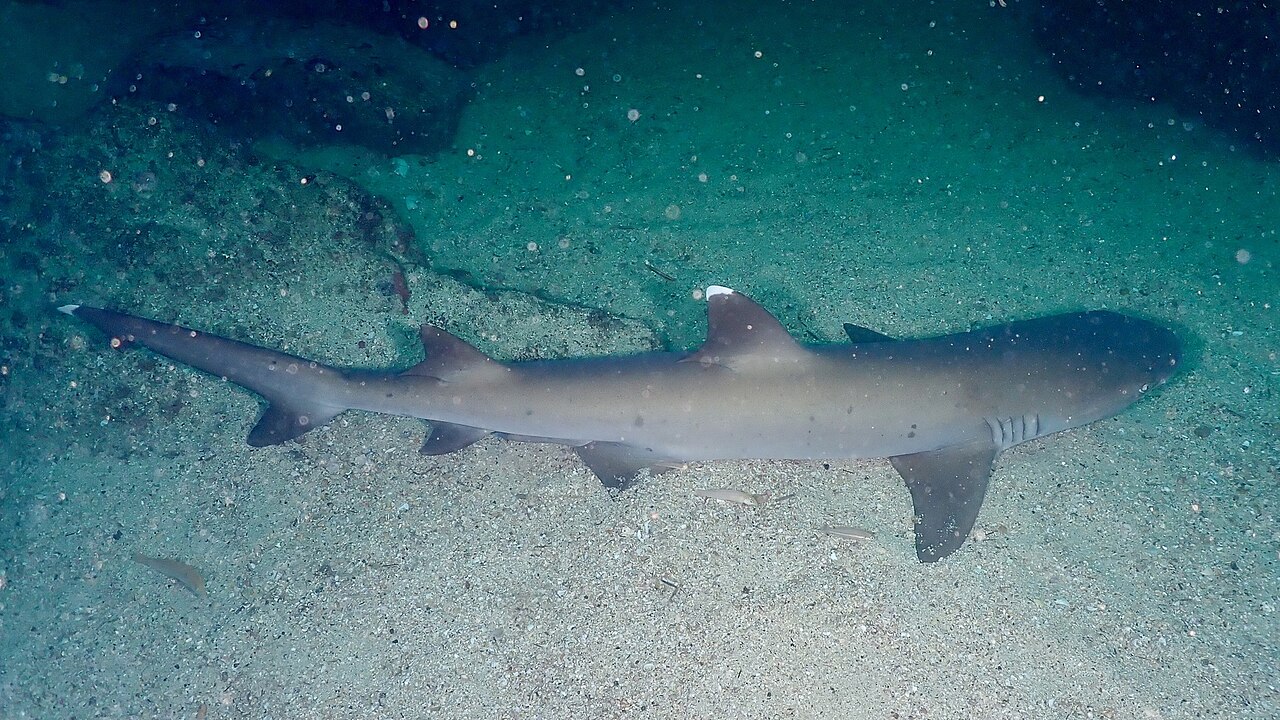
The floor of the Gulf of Papagayo is made of rock, sand and a few coral colonies, and the water, rich in plankton, is often more green than blue. If you're looking for a Caribbean coral reef, you won't find it here. You'll find something else. On a single dive you can meet moray eels, pufferfish, rays, schools of fish and whitetip reef sharks resting on the sand, and in the months when the water cools, giant manta rays come close to the offshore islets, while farther north, around the Murciélago Islands, bull sharks cruise the depths.
Snorkeling from the beach at Ocotal
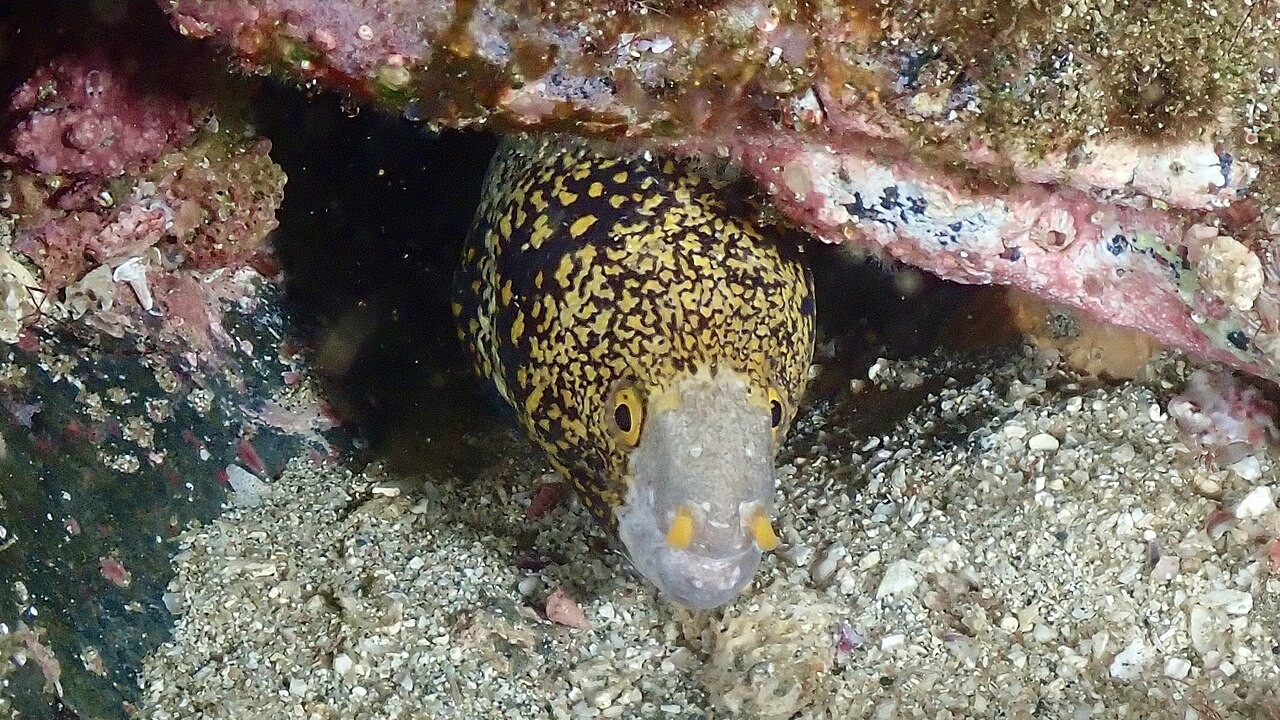
You don't need a boat to get started. Playa Ocotal, about 1.5 kilometers (1 mile) from the villa, has rocks on both sides of the bay, and on days when the sea is flat you can snorkel along them among damselfish and pufferfish, peering into the crevices where the snowflake moray, spotted yellow and black, likes to hide. Go with a buddy. Keep away from the stretch where boats come and go, and if the sea is rough, save it for another day: with waves the water gets murky and it's easy to get hurt on the rocks.
Diving inside the gulf
The dive shops' boats leave from Playas del Coco, 5 to 10 minutes away by car. The shorter trips stay inside the gulf, at the rocky points and islets a few minutes' ride away, and they're usually the easiest. The sea, though, has the final say. These sites are home to whitetip reef sharks, which lie still on the sand under the rocks by day and hunt at night, along with moray eels, pufferfish, guitarfish and schools of fish that part as divers swim through. If you aren't certified, ask the dive centers whether they run an introductory dive with an instructor.
The Catalina Islands: manta rays
The Catalinas are a group of rocky islets off Playa Flamingo, southwest of Ocotal, and the boat ride out is longer. They're famous for giant manta rays, which can measure more than five meters (16 feet) from wingtip to wingtip and show up mostly when the water is cold and full of plankton. That happens between November and April: in those months the wind blowing off the land pushes the surface water out to sea and replaces it with deep, cold, nutrient-rich water, and a study published in PLOS ONE in 2015 reports temperatures in the gulf as much as ten degrees Celsius (18°F) below the yearly average. Bring a thick wetsuit. Around the Catalinas you can also see eagle rays, sea turtles and whitetip reef sharks, and at some sites the current is strong: ask the dive center which sites suit your level.
The Bat Islands: bull sharks
The Murciélago Islands, or Bat Islands (murciélago is Spanish for “bat”), are a small uninhabited archipelago off the Santa Elena Peninsula, in the far northwest of the country, and they're part of Santa Rosa National Park. Around them you'll find rocky shores, coral reefs, open ocean and big waves, and dolphins are a common sight. What made the islands famous, though, is the bull sharks. A study published in 2021 in the Revista de Biología Tropical followed ten of them with acoustic transmitters around the islet of San Pedrillo: all of them were females, some stayed in the area for months, and according to the authors the islet is a gathering place, perhaps linked more to reproduction than to feeding. Experience is a must. The crossing from Coco is long and only happens when the sea is good, and dive centers require an appropriate certification: ask ahead about the requirements and the months when they run these trips.
If you only have a few days, build up step by step: snorkeling at Ocotal on the first morning, then a dive inside the gulf to get used to the water and the visibility, and only after that, if the sea and your experience allow it, the Catalinas or the Bat Islands. Then you rest. The hot tub on the villa's rooftop terrace is open until 10 pm.
The gulf, minutes from the villa
The White House Costa Rica is about 1.5 km (1 mile) from Playa Ocotal and 5 to 10 minutes by car from Playas del Coco, where the boats leave. Christian, the host, speaks Italian, English and Spanish, gives tips on excursions and can arrange tours and transfers.